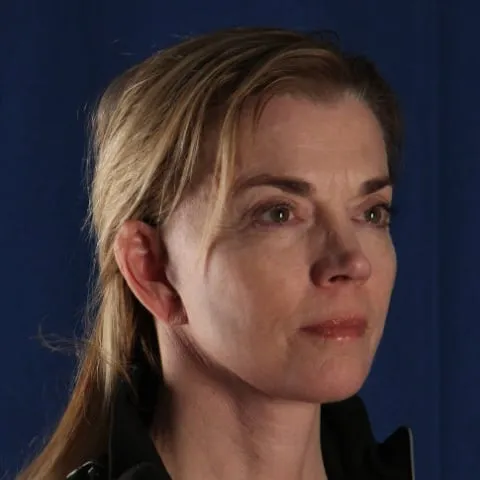

For more information, check out our podcast, Beauty and the Surgeon. Episode 133 covers everything you need to know about facelifts.
If you’ve ever thought, “I’d love a facelift, but I’m scared I won’t look like me,” you are exactly the kind of patient I have in mind every time I plan surgery.
As a facelift surgeon, my core philosophy is simple: I am not trying to give you a new face. I am trying to give you your face back.
My Aesthetic Vision: Natural, Elegant, and Body-Positive
When I look at your face, I’m not hunting for imperfections. I’m looking for what’s already beautiful and uniquely yours:
-
Your bone structure
-
The way your cheeks sit when you smile
-
The natural line of your jaw and neck
-
The features that make you instantly recognizable to the people who love you
My facelift approach is body-positive and identity-protective. I want to:
-
Respect your natural anatomy
-
Preserve your character and expressions
-
Refine what time, gravity, and volume loss have changed
I’m not interested in chasing trends, over-pulling, or trying to make you look like someone else—least of all a filtered version of a stranger on social media. My goal is that you look in the mirror and think, “Yes. That’s me. That’s the version of me I remember.”
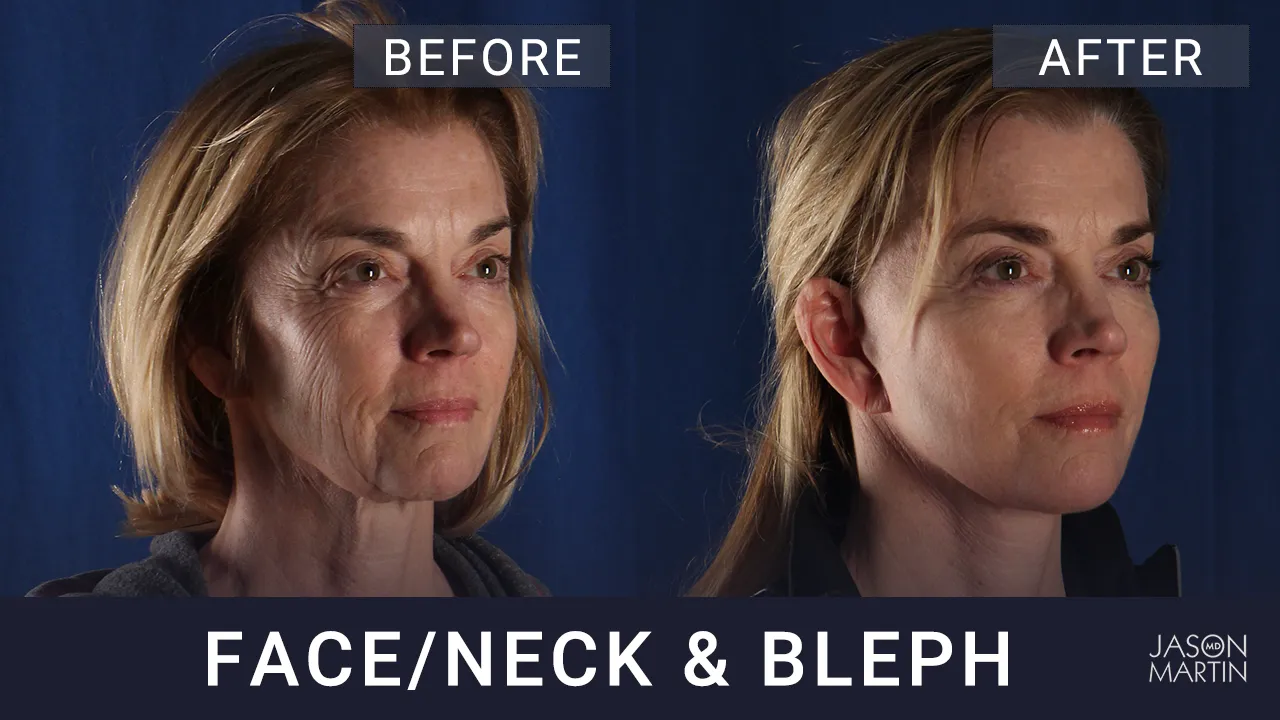
What I Actually Do in a Facelift
Technically, a modern facelift is about repositioning the deeper support layers (the SMAS and platysma) and then redraping the skin without tension. That’s where the natural, elegant result comes from.
When I plan your facelift, I:
-
*Study your face in three dimensions* I look at how your tissues have descended—jawline, jowls, neck bands, midface, volume loss. I’m not just seeing “loose skin.” I’m mapping out your facial support system.
-
*Choose the right vector and technique for you* I don’t force everyone into one technique. Depending on your anatomy, I may use deep plane, SMAS plication, SMASectomy, or a hybrid approach. The choice depends on what will give you the best, most natural result—not what’s trendy on Instagram.
-
*Work in millimeters, not inches* I am obsessive about details:
-
How tightly (or gently) the tissues are lifted
-
How the skin redrapes along the jaw and neck
-
How the incisions curve around the ear and hairline
-
-
Facelifts are a millimeter game. A few millimeters in the right direction can soften jowls, refine the neck, and open the lower face—without making you look “done.” It really is more of an art form than just a surgery.
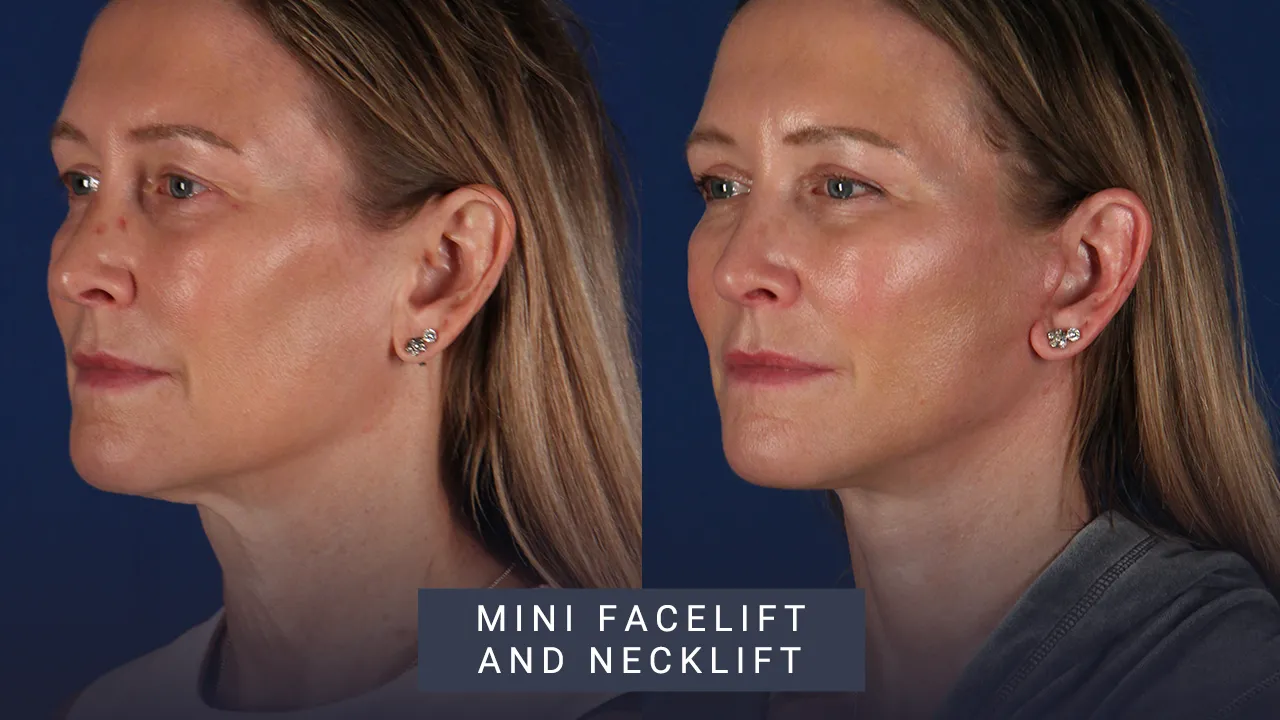
Why You Do Look Different at First (and Why That’s Not the Result)
In the first week or two after surgery, you will not look like the final version of yourself. You’ll be:
-
Swollen
-
Bruised
-
A little distorted, especially if we also did eyelids or fat grafting
That’s not “you after a facelift”—that’s you healing.
When I see patients at early follow-ups, I remind them: “This is not the result. This is the construction zone.” As swelling goes down and tissues settle, what emerges is a lighter, more defined, more rested version of your own face—not a stranger.
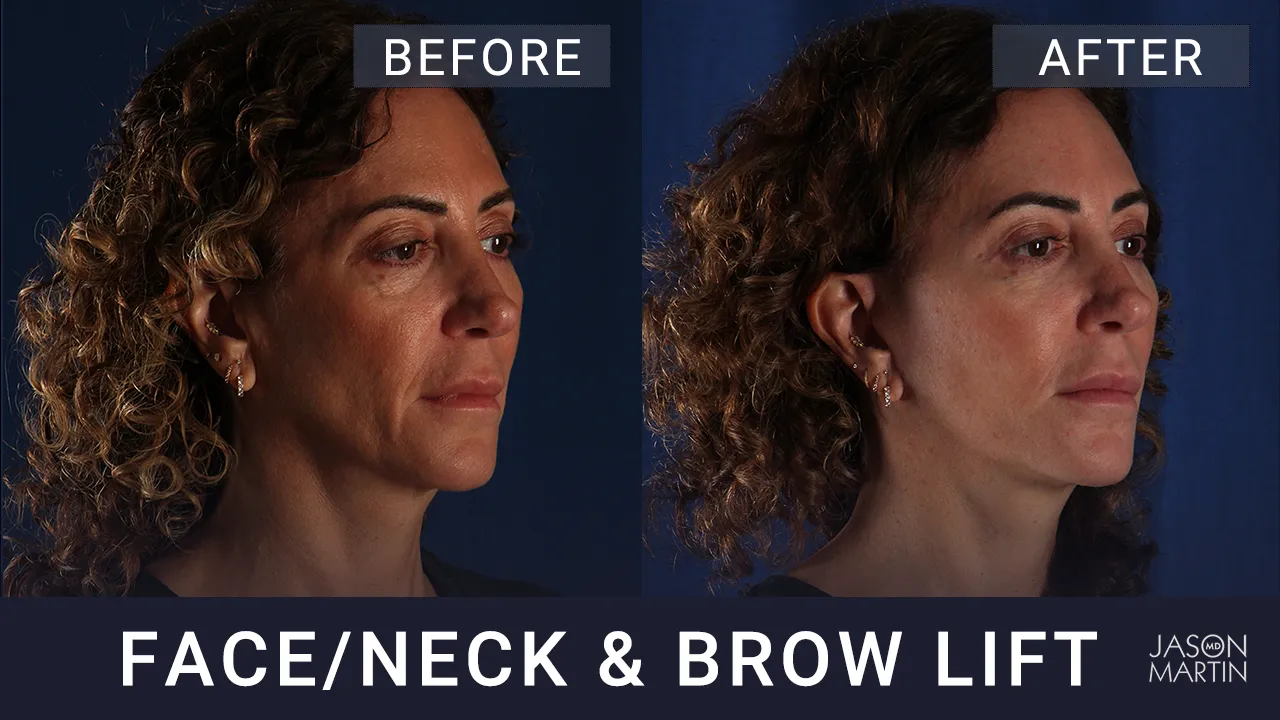
How People Who Know You See You After Surgery
One of the biggest tests of whether I’ve done my job well is what happens when my patients return to their real lives.
What I consistently hear is:
-
“My friends say I look amazing, but they can’t figure out why.”
-
“People keep asking if I’ve been on vacation.”
-
“My family says I still look like myself, just better.”
I’ve done facelifts on people I’ve known socially for years—friends of friends, parents from my kids’ circles—and when I see them after surgery, they absolutely still look like themselves to me. Just clearer, less weighed down, more aligned with how they feel inside. It makes me proud when I see them.
That is precisely what I’m aiming for: recognizable, authentic, and elevated—not replaced.
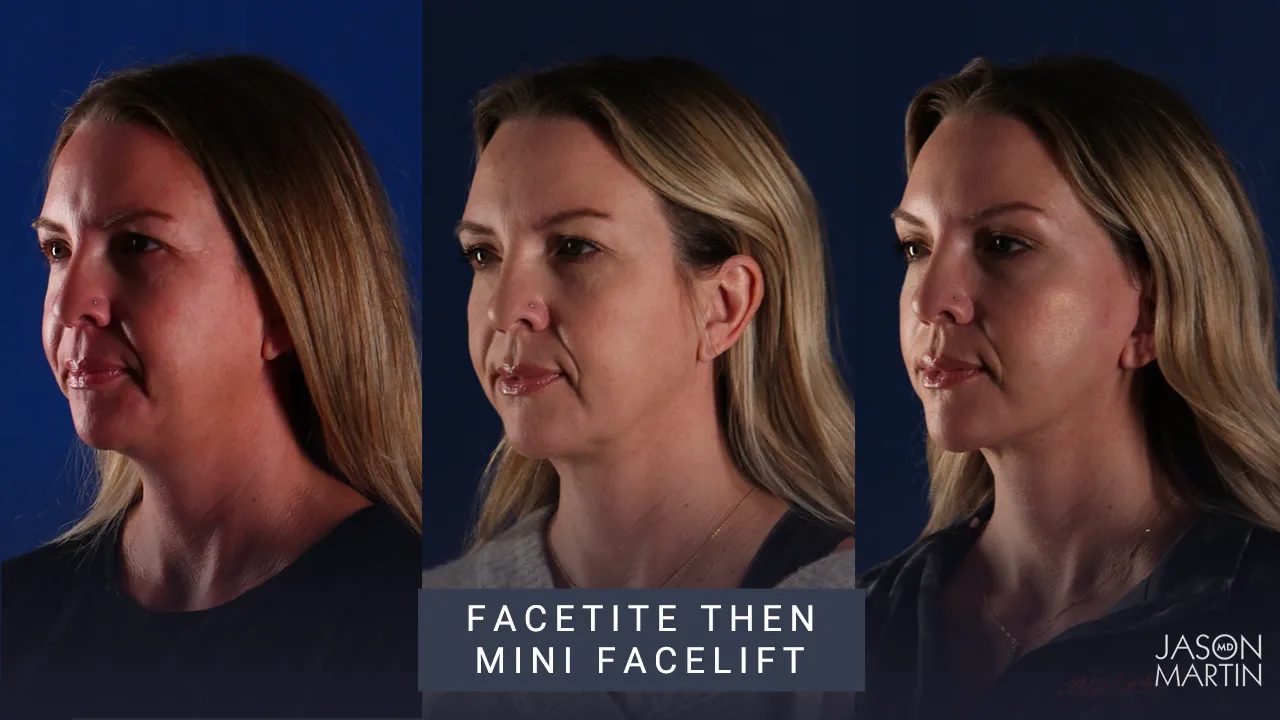
The Kind of Patient I’m a Good Fit For
My facelift approach would be a good fit if you:
-
Want to look *refreshed, not rearranged*
-
Care more about elegance and longevity than drama and trends
-
Want a surgeon who will say “no” to anything that risks an unnatural or unbalanced look
I am not the right surgeon if you want a radically different face, extreme pulling, or to chase another’s features that don’t match your underlying anatomy.
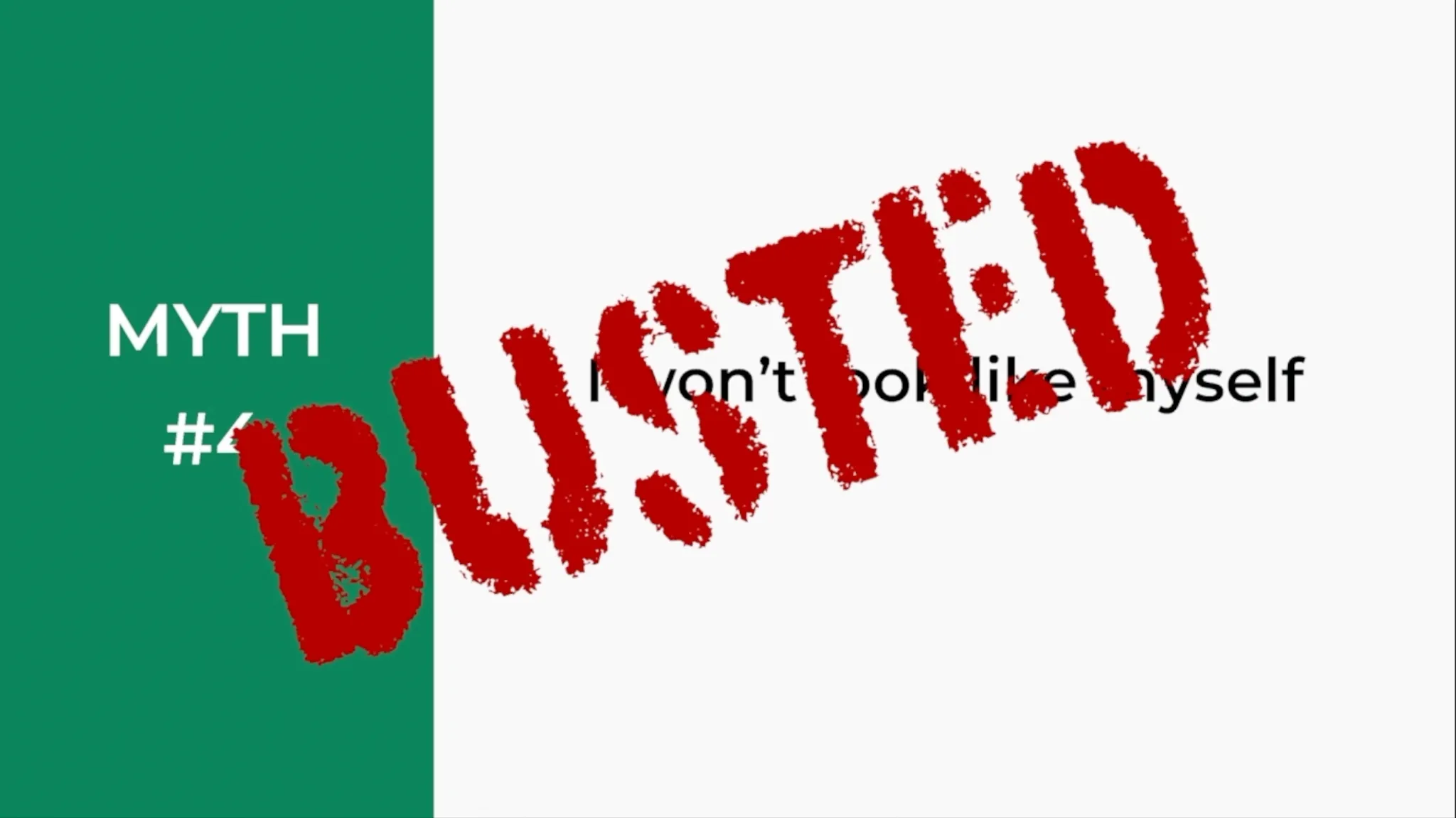
If You’re Afraid of “Not Looking Like Yourself”
That fear is valid—and honestly, it means your instincts are good.
If you’d like to see what my version of a natural, elegant facelift looks like, I’d be happy to show you real before-and-afters and walk you through how I’d approach your face.
Schedule a consultation, and I’ll give you a personalized, thoughtful assessment: what I see, what I’d recommend, and how we can refresh your appearance while keeping the most important thing completely intact—you.