


For more information, check out our podcast, Beauty and the Surgeon. Episode 133 covers everything you need to know about facelifts.
Myth #5 is one of the loudest: “If I get a facelift, everyone will know.”
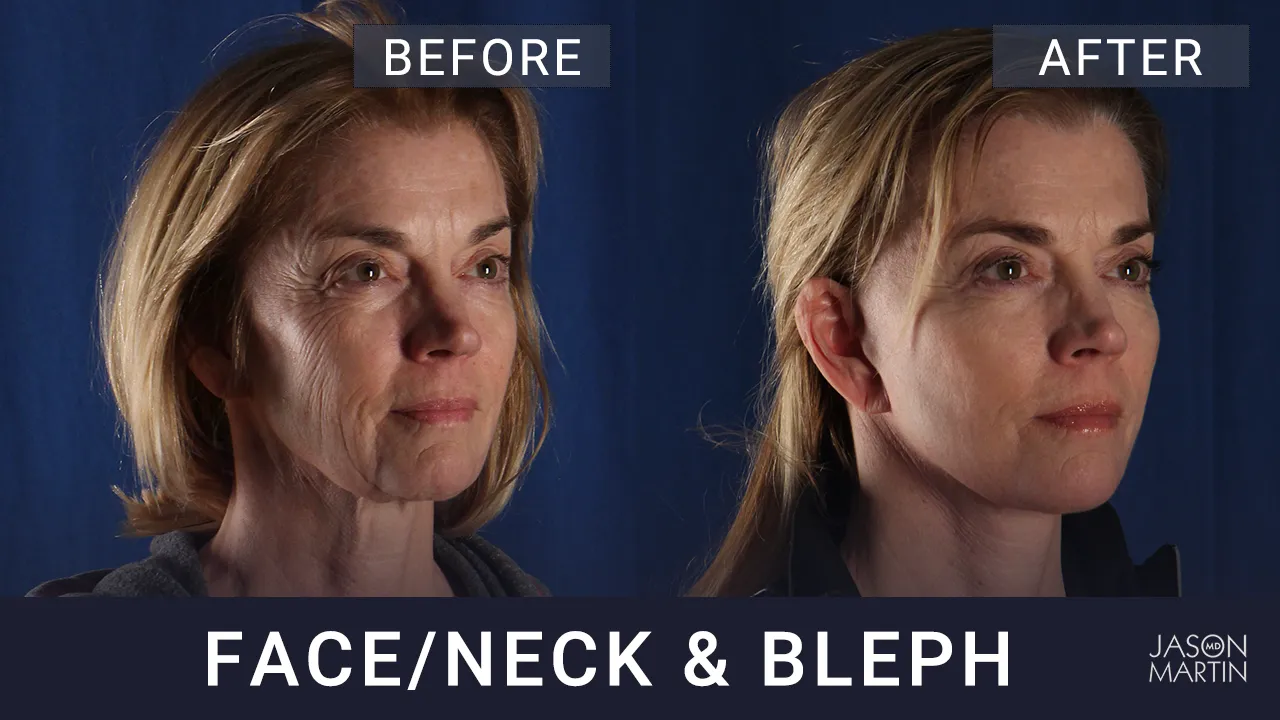
As a board-certified plastic surgeon who focuses on face and neck lifts, let me be very clear: when a facelift is done well, most people won’t think “surgery” — they’ll think “Wow, you look good.”
Not “different.” Not “done.” Just… better.
The Hard Truth: No One Is Staring at You as Much as You Are
Most patients imagine walking into a room and having everyone whisper, “She had a facelift.”
What really happens is more like this:
-
Your coworker: “New haircut?”
-
Your friend: “You look so rested!”
-
Your son: doesn’t notice at all as long as you still look like Mom.
We are all the main character in our own life story, but everyone around you is mostly focused on their story, not yours. When we keep your facelift subtle and natural, people see “refreshed,” not “recently operated.”
Our Philosophy: Subtle, Not “Super Tweaked”
There are practices that push the envelope on volume, angles, and dramatic reshaping. Some people want that, and that’s their choice.
That is not what we aim for in our office.
My approach to facelift surgery is:
-
Elevation, not exaggeration
-
Refinement, not reinvention
-
“You on a really good day,” not “Who is that in the mirror?”
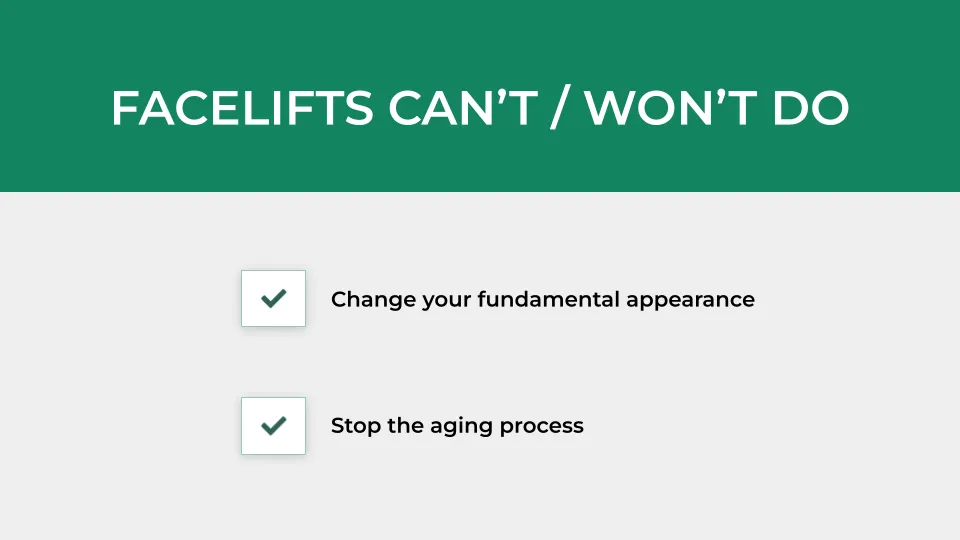
We lift the deeper foundation (the SMAS), remove extra skin, shape the neck and jawline, and then redrape everything so it looks like your face — just turned back a decade or so.
In those cases? People notice that you look good. Very few jump straight to “facelift.”
Who Actually Notices a Facelift?
I always tell patients there are two people who will almost definitely know:
-
Your hairdresser – They work right where your incisions live: around and behind the ears. Hairdressers send me a surprising number of referrals because they see how beautifully the scars heal.
-
Your aesthetician – If you get facials or treatments, they’re inches from your skin under bright lights. They’ll see fine incision lines long before anyone else can.
Maybe a daughter or close friend with a sharp eye will notice something has changed. But even then, it’s usually: “Okay, spill it. What did you do? You look amazing.”
When Do People Notice for the Wrong Reasons?
Let’s be honest: we’ve all seen examples where surgery is obvious.
That usually involves:
-
Brows or eyelids pulled too high, changing eye shape
-
Over-aggressive rhinoplasty that erases a person’s character
-
Facelifts that are pulled so tight they distort the mouth or ears
Those are problems of technique and taste, not an unavoidable outcome of surgery. A well-planned facelift respects your natural proportions, hairlines, and facial expression. The goal is harmony, not shock value.
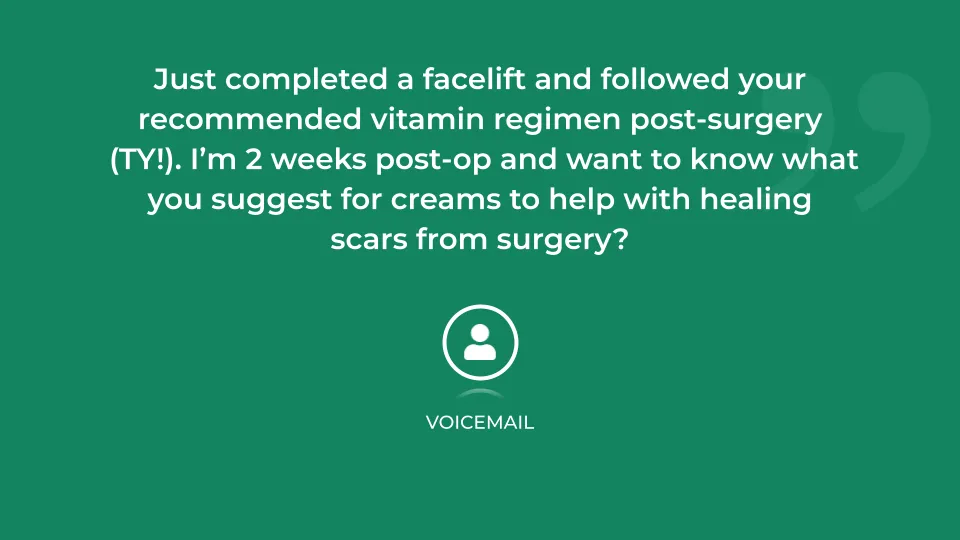
What About the Scars?
Facelift incisions are tucked:
-
Around natural curves of the ear
-
In creases behind the ear
-
Into the hairline
Once healed, they can be surprisingly hard to find—even when someone is trying to look. With your hair down, most people never see them at all.
The Bottom Line: You’ll Feel It More Than Anyone Else Sees It
You’re the one who knows how much your jowls bothered you in photos, how often you lifted your neck skin in the mirror, how long you’ve felt older than you look inside.
After a good facelift, you feel the difference every day. The rest of the world just thinks you look fresh, rested, and inexplicably “better.”
If fear of “everyone noticing” is holding you back, let’s talk about what’s actually possible with results that honor a natural aesthetic.
Schedule a facelift consultation, and I’ll show you real before-and-afters, explain where the incisions go, and walk you through how we keep your results natural enough that people notice you look great—not that you had surgery.