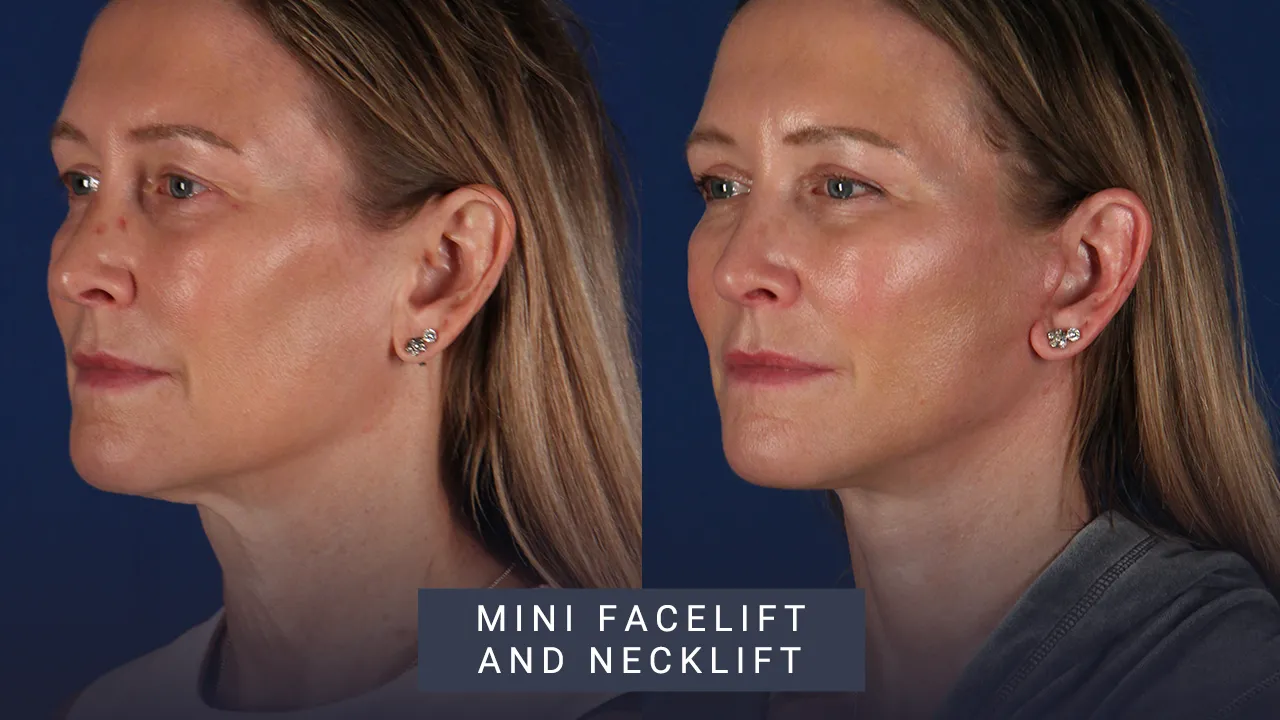


As a board-certified plastic surgeon who lives in the world of face and neck lifts, I hear this all the time:
“Is a deep plane facelift better than a SMAS facelift?”
We even had this question on our podcast (Beauty and the Surgeon) recently, that really blew me away. Its high level and gets into some of the fine detail points I teach the plastic surgery fellows when they rotate with me to learn face and necklift techniques:
‘What about the apparent need to cut the ligaments in order to better raise the SMAS? Will that really improve the outcome and longevity of a DP facelift?’

Apparently, the people want high level. You asked for it! So let’s walk through how I really approach the deep layer during a facelift—what the SMAS is, when ligaments are released, and why I don’t believe in one “supreme” technique for every face.
First, what is the SMAS and why does everyone care about it?
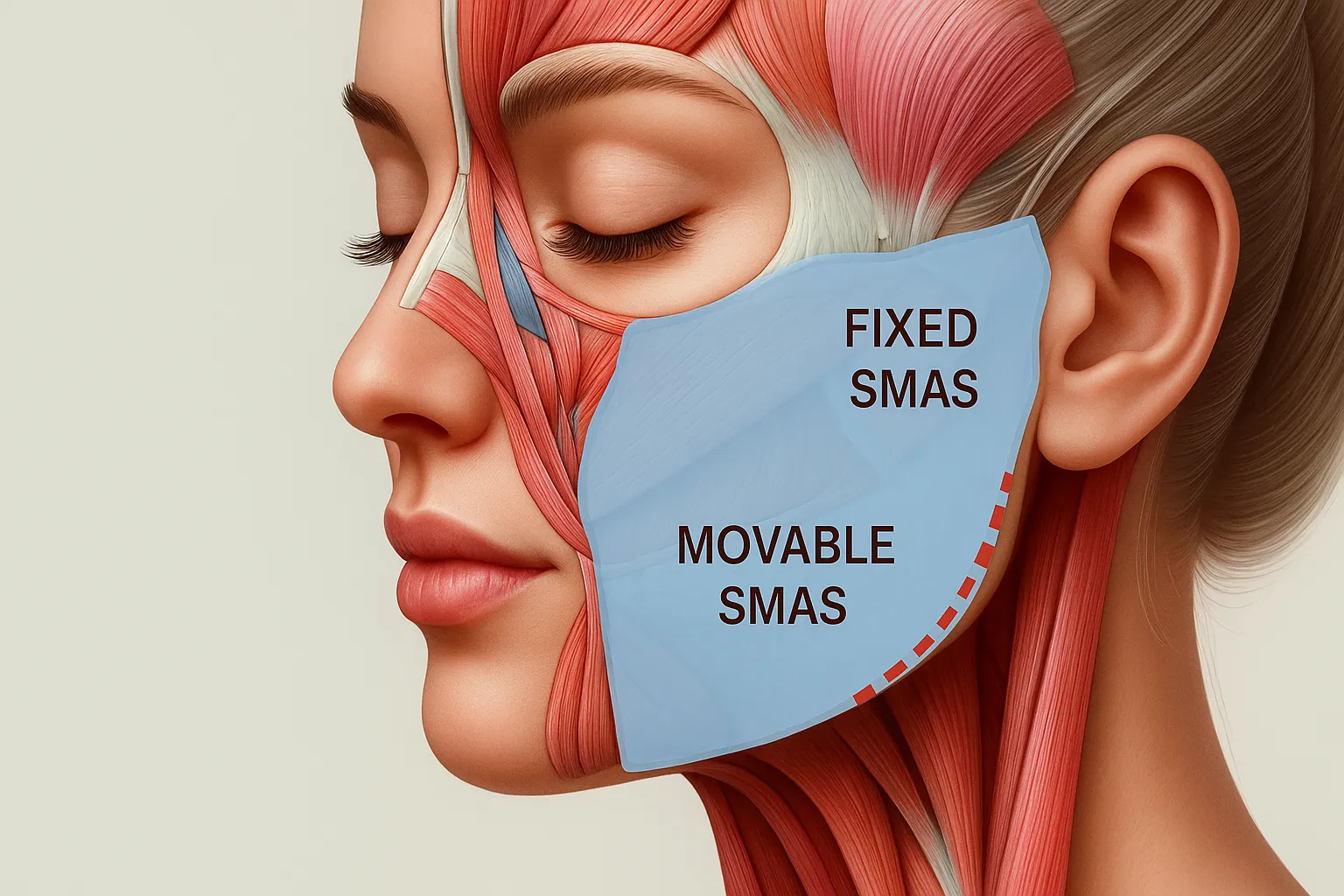
Under your facial skin is a fibrous-muscular layer called the SMAS (superficial musculoaponeurotic system). This is the “foundation” that supports your cheeks, jowls, and jawline.
If I only tighten the skin, you might look sharper for a few months—but the foundation hasn’t changed, so things relax again quickly. When I lift and secure the SMAS, you get:
-
A more natural contour
-
Less “pulled” skin
-
Results that age more gracefully
Whether it’s a deep plane facelift, SMAS plication, or SMASectomy, we’re all working on the same foundation layer—just through slightly different routes.
Do I have to cut ligaments in a facelift?
Short answer: sometimes, yes—and not just in deep plane facelifts.
Your face has retaining ligaments that run from bone to soft tissue. They’re like tiny tethers that keep things in place when you’re young. Over time, some loosen and others stay tight, which is one reason jowls “hang” off the jawline.
In many facelifts, I need to release some of these ligaments so I can:
-
Move the SMAS and deeper tissues back where they belong
-
Redrape the skin smoothly without fighting against tight tethers
-
Avoid bunching or strange folds
That ligament release can happen whether I’m doing a deep plane approach or a more traditional SMAS facelift. It’s not unique to the deep plane—it’s part of the technical process of freeing up tissue so it can be repositioned properly.
And yes, I’m always thinking about safety. I work in planes that are designed to protect the major facial nerves, and I stay within well-understood anatomic zones. Every facelift carries some risk, but careful technique greatly minimizes it.
Facelift in 60 seconds - YouTube (Warning: actual surgery footage)
Deep plane vs. SMAS: which lasts longer?
Here’s where the internet and reality part ways.
From both the published data we have and my own experience, when the SMAS is treated substantially and thoughtfully, both deep plane and SMAS-based facelifts can have similarly long-lasting results.
Why it’s hard to “prove” one is superior:
-
We don’t have 20-year prospective studies comparing one technique to another.
-
Patients age differently based on genetics, sun exposure, weight changes, smoking, and lifestyle.
-
Surgeons vary in judgment, finesse, and follow-up care.
So when someone online says, “Deep plane is the only facelift worth doing,” they’re usually selling you something, not sharing useful information with you. And this is coming from an expert that does all the techniques.
Check out this IG post on facelifts.
How I choose the approach to your SMAS layer
In my practice, I offer every major facelift approach:
-
Deep plane facelift
-
High-SMAS / SMAS plication
-
SMASectomy
-
Hybrid techniques combined with neck lift, fat grafting, and other procedures
I don’t walk into the OR thinking, “How do I fit this patient into my signature technique?” I ask:
-
Where are you aging most—cheeks, jawline, neck, all of the above?
-
How thick is your skin? How strong or loose is your SMAS?
-
Do you need more vertical lift in the midface, more backward pull at the jawline, or more tightening in the neck?
-
What’s your health, downtime, and long-term goal?
Sometimes the best answer is a deep plane facelift, sometimes a SMAS-based facelift, and very often a custom blend. The facelift you need is the facelift you need—not the one you saw on TikTok or the one your friend had.
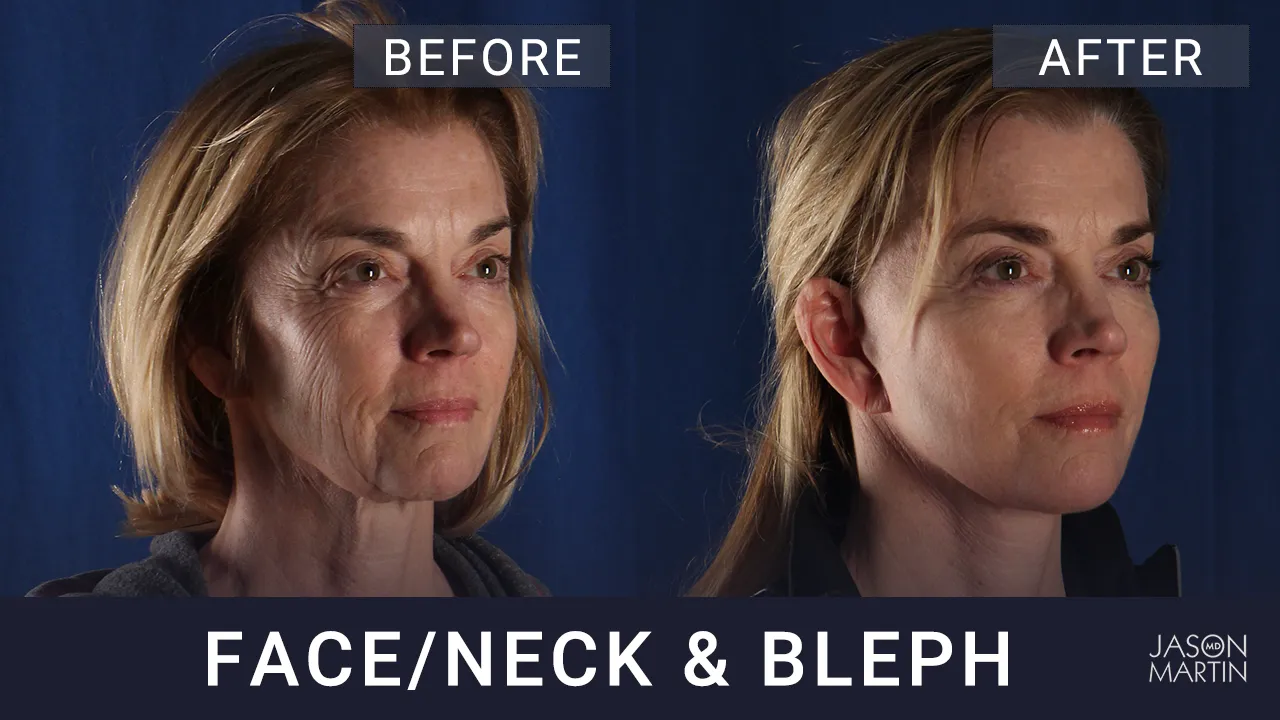
There’s no “free ride” in surgery—just thoughtful trade-offs
Every technique involves trade-offs: where we dissect, which ligaments we release, how much we elevate, how we close. You can’t get real lifting without doing real work under the skin.
My job is to:
-
Treat your foundation (SMAS) in a meaningful way
-
Release what needs to be released, while respecting nerves and blood supply
-
Redrape skin with minimal tension so scars stay fine and the result looks natural
-
Choose the method that fits your anatomy instead of forcing one technique onto every face
We have many different options
Curious which facelift you actually need?
If you’re overwhelmed by the deep-plane-vs-SMAS debate, you’re not alone. The good news: you don’t have to become an expert in surgical planes—that’s my job.
If you’d like a personalized opinion, I’d be happy to examine your face and neck, explain exactly how I’d approach your SMAS layer, and recommend the facelift that makes the most sense for you.
Schedule a facelift consultation, and let’s talk less about buzzwords and more about what will keep you looking like yourself—just lifted, defined, and confidently refreshed.